

What is Santan Dharma?
Santan Dharma, or "eternal law," is the endonym for Hinduism, which is the exonym given to the religion by British colonists. It defines the set duties and practices ordained to all Hindu people, regardless of class, caste, or sect. The earliest mentions of Santan Dharma in written scripture can be found in the Manusmriti.
How does it teach Hindus to live?
Santan Dharma expresses many virtues, though they differ slightly across scriptures. Still, the key components include:
* Truth: describing something exactly as you've seen it to other people, do not play with/manipulate the emotions of others.
* Refraining from injuring living beings: do not intentionally harm anyone/anything unless absolutely necessary.
* Purity: cleanliness of the body and the mind.
* Goodwill: a universal care and respect for all creatures/people.
* Mercy: an immaterial grace and kindness offered to all people.
* Patience: embodying endurance, kindness, and discipline, despite the direness of circumstances.
* Forbearance: endurance and patience amidst adversity.
* Self-restraint: being able to control one's impulses and desires.
* Generosity: helping others without expecting anything in return.
* Asceticism: A severe absence from all forms of indulgences.

Conflicts within the concept.
These virtues do conflict from time to time due to the two types of Dharma: e.g, the ideas of being a warrior (Kshatriya) and refraining from hurting living beings overlap.
However, this is addressed in the Bhagavad Gita, when it is said that svadharma must prevail. Svadharma being one's personal duties and their quest for internal freedom.
How is it used today?
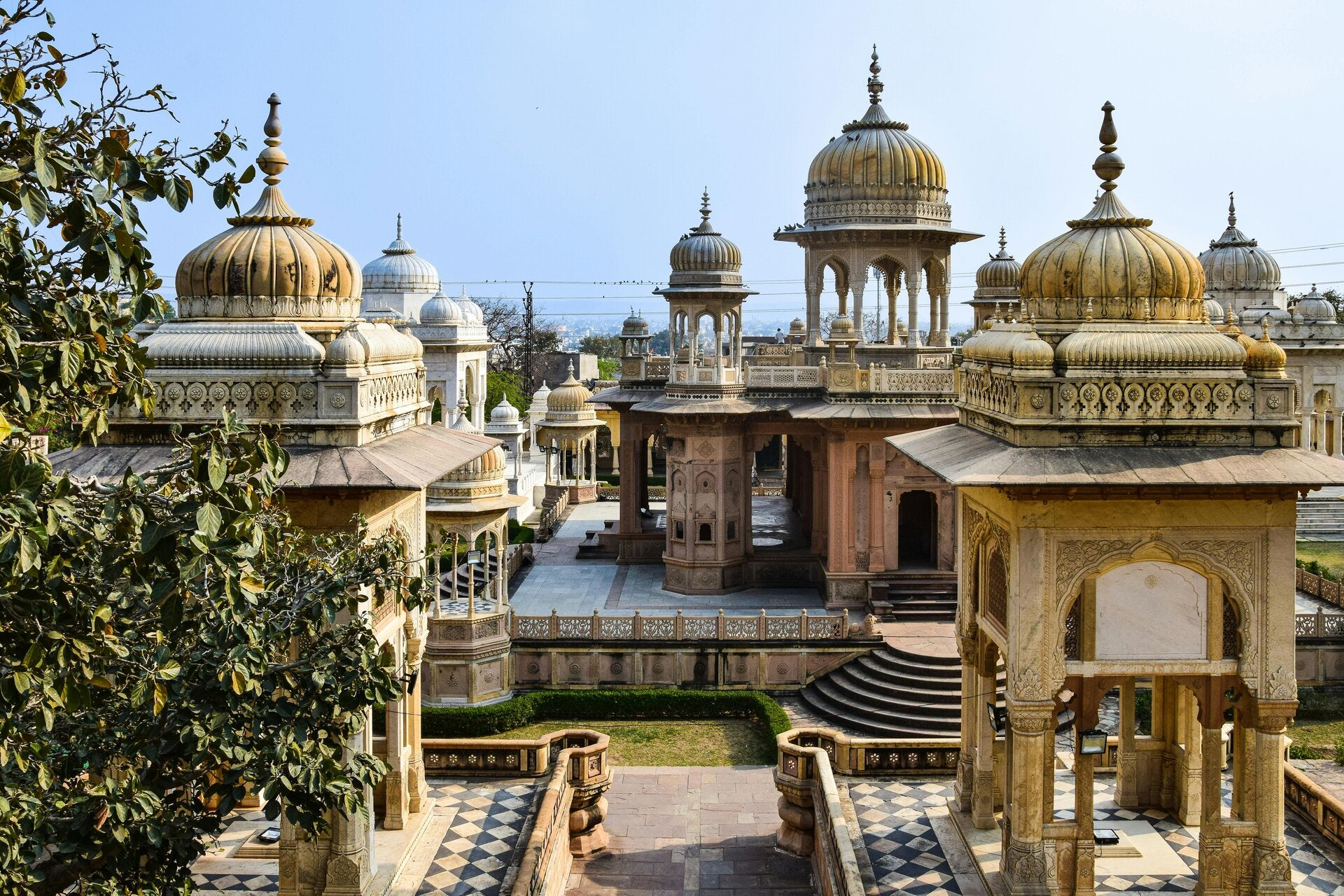
Nowadays, Hinduism is the generally accepted name for the religion, even in India. Today, the name is used to emphasise a traditional outlook on the Hindu faith and as a tether back to the religion's roots. It is often referred to as "a philosophy of the mind that brings purpose into life."
Add comment
Comments